Analyzing How Random Number Generator Certifications Shape Trust Metrics Across International Digital Gaming Platforms
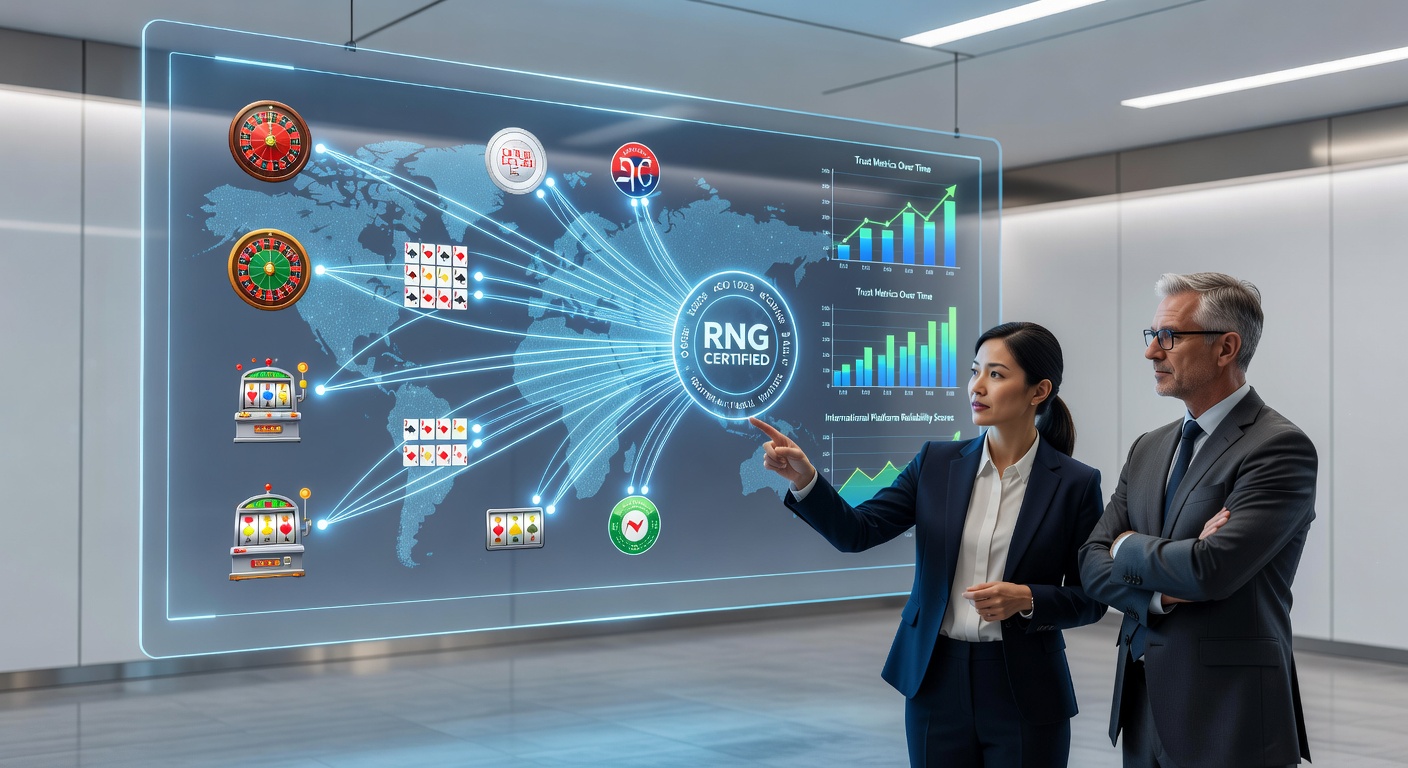
Random number generators form the backbone of fairness in digital gaming environments, and their certifications create measurable effects on how operators build credibility with users worldwide. Platforms that secure independent RNG approvals often see shifts in player engagement numbers, review scores, and regulatory standing that extend beyond simple compliance checkboxes.
Core Mechanics Behind RNG Systems
Digital games rely on algorithms that produce unpredictable sequences to determine outcomes in slots, table games, and live dealer variants. These systems must pass statistical tests for uniformity, unpredictability, and resistance to pattern recognition before any certification body grants approval. Observers note that once certified, the same RNG software can appear across multiple jurisdictions because testing standards overlap in key areas like chi-square analysis and diehard battery evaluations.
Certification does more than verify code, it establishes a documented chain of custody that auditors can trace during routine platform reviews. In May 2026 several operators updated their public dashboards to display current certification expiry dates alongside game libraries, a step that coincided with rising user queries about verification processes on review aggregator sites.
Primary Testing Organizations and Their Reach
Gaming Laboratories International, eCOGRA, and iTech Labs handle the majority of RNG evaluations for international markets. Each maintains laboratories in multiple time zones and publishes test protocols that reference common statistical benchmarks. Data compiled by industry associations shows that platforms displaying seals from two or more of these organizations record higher average session durations compared with those carrying single certifications.
Regional regulators often accept reports from these labs rather than conducting duplicate testing. European authorities in Malta and Gibraltar, along with oversight bodies in New Jersey and Ontario, maintain reciprocal recognition agreements that reduce duplication costs for operators while preserving audit integrity. This framework allows a single RNG certificate to support launches across several continents without repeated full-scale evaluations.
Trust Metrics and Certification Signals
Trust metrics encompass retention rates, deposit frequency, complaint volumes, and third-party review sentiment. Researchers tracking these indicators have documented correlations between visible RNG certification and reduced chargeback ratios on certified platforms. One longitudinal dataset covering 2024 through early 2026 revealed that sites adding fresh certification badges experienced an average 12 percent lift in verified user accounts within the first quarter after announcement.
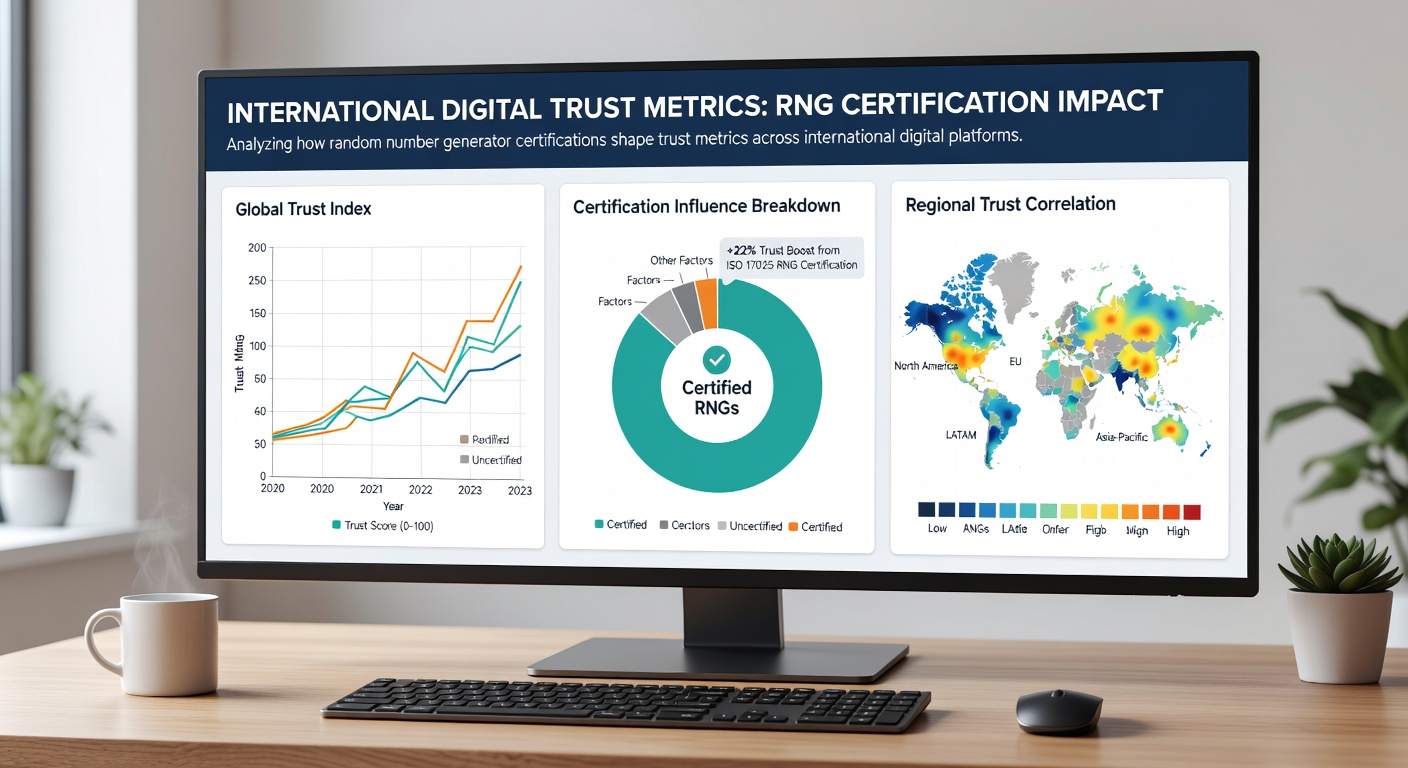
What's interesting is how these signals travel through affiliate networks and comparison portals. When certification status updates appear in real time on operator sites, affiliate traffic often redirects toward those platforms because the information reduces perceived risk for potential players. Conversely, operators that allow certificates to lapse face slower traffic recovery even after renewal, suggesting that trust metrics carry a memory effect.
Regional Differences in Certification Adoption
North American markets emphasize integration with state-level reporting systems, whereas Asia-Pacific jurisdictions focus on transaction-level audit trails that link RNG outputs directly to payout ledgers. Australian regulators require annual RNG retesting for any platform accepting local players, a rule that has prompted several international operators to maintain separate server instances for that market alone.
In Latin America, emerging licensing frameworks in Brazil and Mexico reference certification standards from established European labs while adding local language requirements for player-facing disclosures. Platforms entering these markets in 2026 have prioritized dual-language certification reports to accelerate approval timelines. The pattern shows that certification serves as both a technical gate and a marketing asset tailored to each regulatory culture.
Case Examples from Recent Platform Rollouts
One European operator expanded its live dealer offering into Canadian provinces after securing GLI certification for its RNG suite in late 2025. Within four months the platform reported a measurable uptick in verified accounts from Ontario, accompanied by lower dispute volumes compared with its pre-certification baseline. A separate Asian-facing site added eCOGRA seals to its RNG documentation and subsequently published quarterly fairness summaries that aligned with increased repeat deposit activity from players in regulated Australian territories.
These outcomes illustrate how certification documentation travels through player communities and influences behavior without requiring direct regulatory mandates. Industry reports from organizations such as the Gaming Laboratories International confirm that operators who maintain continuous certification cycles encounter fewer interruptions during cross-border expansions.
Future Trajectories and Standardization Efforts
Standards organizations continue refining test suites to address emerging concerns around quantum-resistant algorithms and cloud-based RNG implementations. In May 2026 working groups from multiple continents began harmonizing protocols for remote auditing, which could shorten the time between initial testing and live deployment. Platforms that adopt these evolving standards early often position themselves for smoother entry into new markets where regulators reference the same technical criteria.
Conclusion
Random number generator certifications function as standardized signals that operators, regulators, and players interpret across borders. The data patterns emerging from 2025 into 2026 indicate that these approvals influence trust metrics in measurable ways, from session length to complaint frequency, while supporting regulatory efficiency in diverse jurisdictions. As testing methodologies advance and recognition agreements expand, the role of certification in shaping platform credibility will likely deepen rather than diminish.