Behind the Curtain: How Appraisal Frameworks Guide Deposit-Free Entry to Card Tables and Reel Spins via Verified Channels
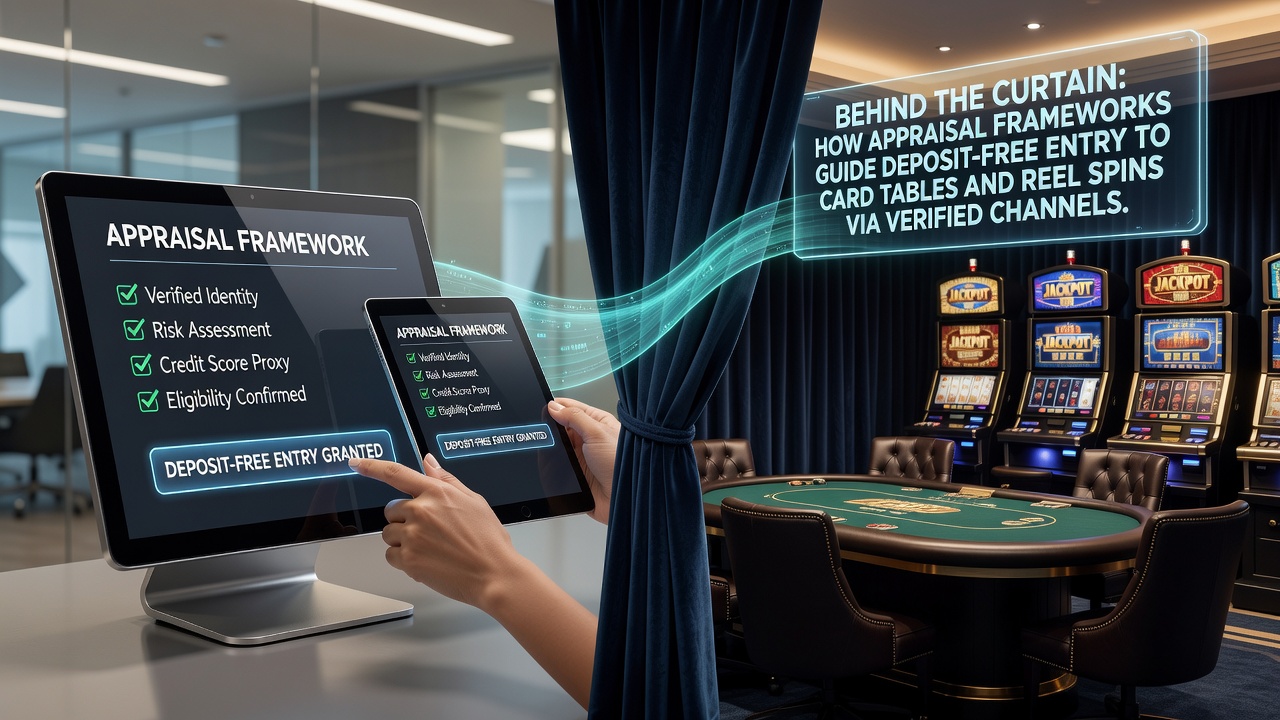 Appraisal frameworks operate as structured evaluation systems that assess operator compliance before granting deposit-free access to card tables and reel spins, and these systems rely on verified channels that confirm player eligibility through documented protocols. Regulatory bodies establish criteria covering financial stability, technical security, and operational transparency, which platforms must meet to offer no-deposit entry points. In practice such frameworks connect licensing requirements directly to player verification steps, ensuring that access remains tied to authenticated accounts rather than open entry. Data from multiple jurisdictions shows that these appraisal processes have expanded in scope since 2024, with particular attention paid to cross-border verification standards. Observers note that frameworks often integrate identity checks, transaction monitoring, and game certification into a single review cycle. This integration allows operators to activate deposit-free features for table games like blackjack or roulette alongside slot reels once the appraisal clears. Platforms that complete the cycle receive designation as verified channels, which then appear in approved directories used by players seeking compliant access.
Core Components of Appraisal Frameworks
Appraisal frameworks break down into several interconnected layers that regulators apply sequentially. The first layer examines operator licensing status through audits of corporate records and financial statements, while the second layer reviews technical infrastructure including random number generators and payout algorithms for both table simulations and reel mechanics. A third layer focuses on player protection measures such as age verification systems and responsible gaming tools that must function before any deposit-free session begins.
These layers operate together because frameworks require simultaneous compliance across all areas rather than isolated approvals. When an operator submits documentation, evaluators cross-reference each component against established benchmarks from regional authorities. For instance Canadian provincial regulators coordinate with international testing labs to confirm that verification channels meet data security thresholds before deposit-free entry activates. The result is a verified pathway where players access card tables or reel spins only after the framework confirms the operator meets every standard.
Verification Channels and Their Role in Deposit-Free Access
Verified channels function as the operational bridge between appraisal outcomes and player entry points. These channels typically include secure portals managed by licensed operators or third-party verification services that handle identity confirmation through government-issued documents and biometric checks. Once verification completes the channel grants temporary access credits for card tables and reel spins without requiring an initial deposit, although usage remains subject to wagering terms defined during the appraisal process.

Research indicates that verification channels have incorporated real-time monitoring tools that track session activity across devices. In June 2026 several North American and European operators reported updates to their channel infrastructure following revised appraisal guidelines issued by state gaming commissions. These updates emphasized seamless integration between mobile applications and desktop platforms, allowing verified users to move between table games and slots without repeated authentication steps. The channels maintain logs that feed back into ongoing framework reviews, creating a continuous evaluation loop.
Regional Variations in Framework Application
Different regions apply appraisal frameworks with distinct emphases that reflect local regulatory priorities. Australian authorities prioritize consumer protection metrics within their evaluation criteria, whereas certain U.S. state commissions place greater weight on tax compliance and revenue reporting before approving deposit-free features. European frameworks often require additional layers of data encryption verification to align with broader digital service regulations.
Industry reports from organizations such as the American Gaming Association document how these variations influence the speed at which operators can launch verified channels. In regions with streamlined appraisal cycles, deposit-free access to reel spins appears within weeks of framework approval, whereas more layered systems extend the timeline to several months. Players encounter these differences when navigating international platforms that list only channels meeting the appraisal standards of their home jurisdiction.
Technical Standards Supporting Framework Compliance
Technical standards form the backbone of appraisal frameworks by defining measurable requirements for game fairness and system reliability. Testing laboratories certify that reel spin outcomes follow certified algorithms and that card table simulations replicate physical game probabilities within acceptable margins. These certifications must be renewed at intervals specified by the framework, often annually or after significant software updates.
Operators integrate these standards into their verified channels through embedded compliance modules that prevent activation of deposit-free modes until certification remains current. Data from testing facilities shows consistent pass rates above 95 percent for platforms that maintain regular audits, which supports broader access to no-deposit entry across both table games and slots. The standards also address server uptime and transaction processing speeds to ensure verified channels remain operational during peak periods.
Conclusion
Appraisal frameworks continue to shape deposit-free entry by linking regulatory evaluations directly to verified channel operations. Through layered assessments covering licensing, technical integrity, and player safeguards, these systems maintain consistent standards across card tables and reel spins. Regional adaptations and technical certifications further refine how access occurs, while ongoing monitoring supports framework relevance. As verification channels evolve with new infrastructure updates, the connection between appraisal outcomes and compliant entry remains central to regulated gaming environments.