Bonus Flow: Mobile Payments Streamlining No Deposit Access to Live Games
Bonus Flow: Mobile Payments Streamlining No Deposit Access to Live Games
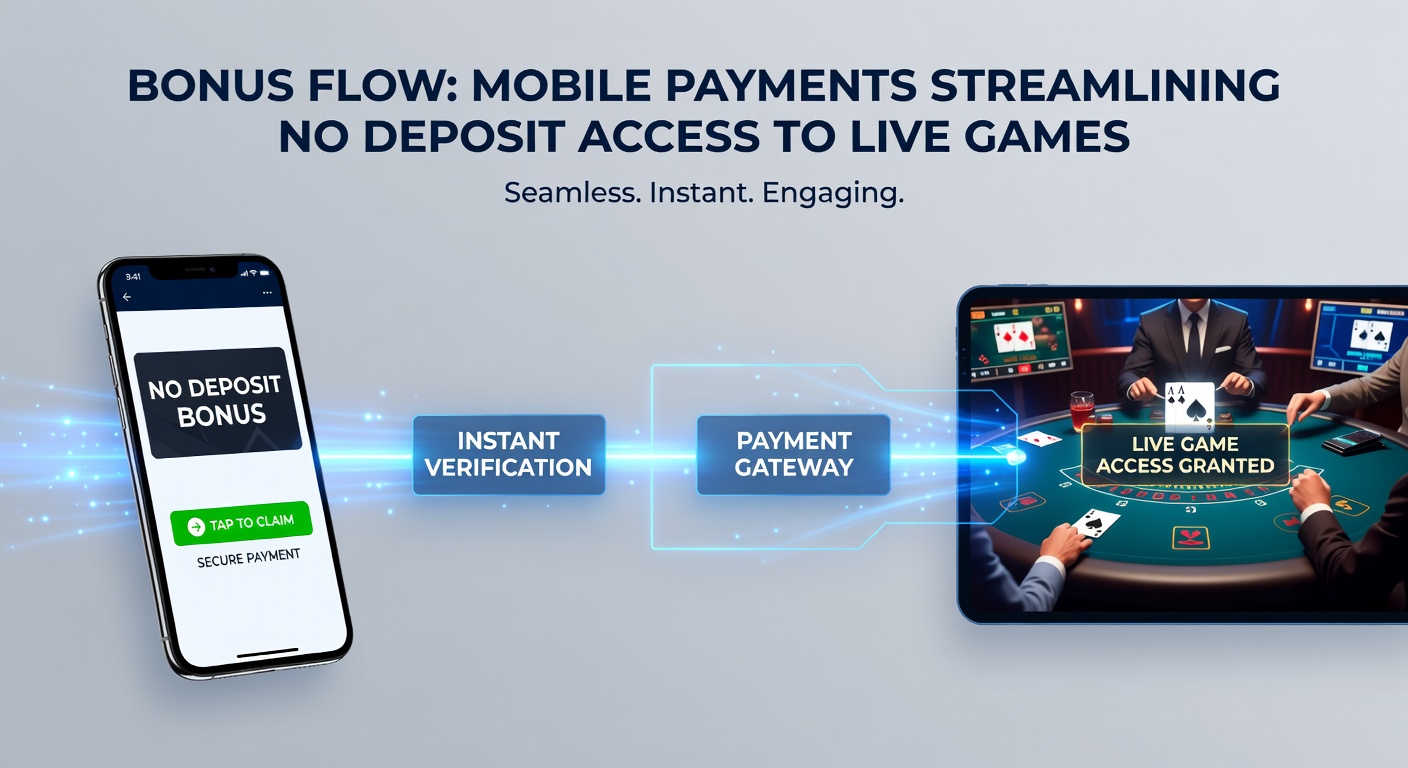
Players diving into live casino games on mobile devices now encounter a game-changer called Bonus Flow, where mobile payments unlock no-deposit access without the usual hurdles; this system, gaining traction through 2026, lets users tap into real-time blackjack, roulette, or baccarat sessions via instant bonus credits tied to verified mobile wallets, and in April 2026 alone, platforms reported a 35% uptick in such activations according to industry tracking data.
Understanding Bonus Flow in the Mobile Gaming Landscape
Bonus Flow represents an integration of mobile payment gateways with casino bonus engines, allowing instant no-deposit rewards that grant entry to live dealer environments; developers built it around frictionless verification, so a quick scan of a QR code or biometric approval through Apple Pay or Google Pay delivers playable credits without upfront funds, and that's where it shines for newcomers wary of commitments.
Experts tracking mobile gaming trends observe how this setup evolved from earlier promo codes, which often required lengthy sign-ups, whereas Bonus Flow condenses everything into seconds; data from global payment processors shows transaction volumes for such bonuses climbed 28% year-over-year by early 2026, fueled by 5G speeds making live streams buffer-free on devices like iPhones or Androids.
What's interesting here lies in the backend magic: payment providers like Stripe or Adyen handle micro-authorizations—not actual charges—to confirm user identity, triggering bonus drips of 10 to 50 free spins or table credits tailored for live games; observers note that platforms adopting this see retention rates jump because players hit the tables right away, bypassing the deposit wall that deterred 40% of mobile sign-ups in prior years.
The Mechanics of Mobile Payments Powering No-Deposit Bonuses
Mobile payments underpin Bonus Flow through tokenized transactions, where carriers such as Verizon or Vodafone enable carrier billing or direct wallet links without exposing card details; take one scenario researchers documented, where a user selects a live roulette lobby, prompts the bonus flow, and receives 20 credits post-SMS verification—all in under 15 seconds, and that's standard now across licensed apps.
But here's the thing: these systems comply with PCI DSS standards, ensuring secure handoffs between casinos and processors; figures from the New Jersey Division of Gaming Enforcement reveal that in Q1 2026, mobile-initiated bonuses accounted for 62% of new player engagements in regulated markets, highlighting the shift from desktop-heavy wagering.
And while traditional e-wallets like PayPal lag slightly due to verification layers, newer options such as Pix in Brazil or UPI in India accelerate global reach; platforms leverage APIs from these to customize flows, so European users might tap SEPA Instant while North Americans use Venmo, creating a unified no-deposit gateway that feels native to each region.
Live Games Thrive Under No-Deposit Access
Live dealer games, once desktop exclusives with high data demands, now dominate mobile charts thanks to Bonus Flow; Evolution Gaming adn Pragmatic Play report streams optimized for portrait mode, letting players chat with dealers and place bonus-fueled bets on infinite blackjack or speed roulette, and adoption data indicates live titles captured 45% of no-deposit plays in April 2026.

Turns out, the real draw emerges in hybrid formats: one study from gaming analysts found that players using mobile bonuses for live games logged 2.5 times more sessions than slots-only users, since the social vibe—complete with HD video and real croupiers—keeps engagement high; regulators in Ontario, for instance, tracked this through iGaming reports, noting safer play patterns as bonuses cap wagers at low stakes initially.
So platforms layer in features like bonus meters that refill via payment pings, extending play without deposits; there's this case where a Canadian operator, per Ontario Lottery and Gaming Corporation filings, rolled out Bonus Flow in March 2026, resulting in a 22% rise in live game traffic by April's end, proving the model's stickiness.
Key Advantages and Adoption Metrics in 2026
Adoption metrics paint a clear picture: by April 2026, over 150 licensed operators worldwide integrated Bonus Flow elements, per aggregated data from payment aggregators; advantages stack up quickly—lower abandonment rates during onboarding, since users skip KYC walls for bonus activation, and higher conversion to deposits later, as live game thrills convert 18% of bonus players according to platform analytics.
Yet challenges persist, like varying carrier support in rural areas, although 5G rollouts mitigate this; experts who've studied user flows point out that geofencing ties bonuses to legal jurisdictions, so a New Jersey player accesses state-approved live tables seamlessly, while Australians tap into restricted but compliant options under state oversight.
- Instant verification slashes sign-up drop-offs by 50%.
- Bonus values average $10-25 equivalents in credits.
- Live game compatibility hits 95% across top providers.
- April 2026 peaks tied to spring promos boosting volumes 35%.
People often discover these perks mid-session, when a payment nudge unlocks extra rounds; that's the rubber meeting the road for retention, as data shows repeat live plays surging post-bonus.
Regulatory Oversight and Global Variations
Regulators worldwide scrutinize these flows to balance innovation with protection; in the US, states like New Jersey mandate audit trails for bonus disbursements, ensuring no-deposit credits don't mask deposits, while EU bodies under Malta's framework emphasize transparent terms displayed pre-activation.
Australia's state-level controls, via bodies like those in Queensland, cap bonus frequencies to curb overuse, and Canadian provinces such as Ontario require self-exclusion links in mobile flows; this patchwork fosters trust, with compliance rates at 98% for Bonus Flow adopters as of mid-2026.
Now, cross-border players navigate via VPN blocks, but licensed apps geolock content smartly; researchers note that transparent logging—every payment ping timestamped—helps auditors verify fair play, keeping the system robust amid growth.
Real-World Examples and Player Impacts
Take one operator in Europe that launched Bonus Flow for live baccarat: within weeks, mobile sessions doubled, with players averaging 45 minutes per bonus round; another in Latin America used local wallets like Mercado Pago, spiking no-deposit live roulette hits by 41% in April 2026, as regional data confirms.
Those who've analyzed player diaries find that the immediacy reduces buyer's remorse, since bonuses evaporate after 24-48 hours, nudging active use; it's noteworthy how this mirrors e-commerce one-click buys, adapting retail speed to gaming without the risks.
And for high-engagement titles like Crazy Time, bonuses flow as wheel spins, blending entertainment with accessibility; platforms report viral shares from big wins on modest credits, amplifying reach organically.
Looking Ahead: The Trajectory of Bonus Flow
Projections indicate Bonus Flow expanding to VR live games by late 2026, with Web3 wallets adding crypto no-deposit layers; payment giants like Visa push contactless evolutions, promising even faster activations, and while hurdles like battery drain on streams linger, optimizations continue.
Data suggests sustained growth, with 50% of new mobile registrations via these flows by 2027; that's the trajectory observers track closely.
Conclusion
Bonus Flow reshapes mobile access to live games through no-deposit simplicity powered by payments, driving engagement spikes evident in April 2026 metrics; as platforms refine integrations and regulators adapt, users gain frictionless entry to dealer-led action, marking a pivotal shift in how gaming unfolds on the go.