Charting Interlinked Verification Pathways Enabling Varied Reel and Card Options Across Verified Portable Platforms
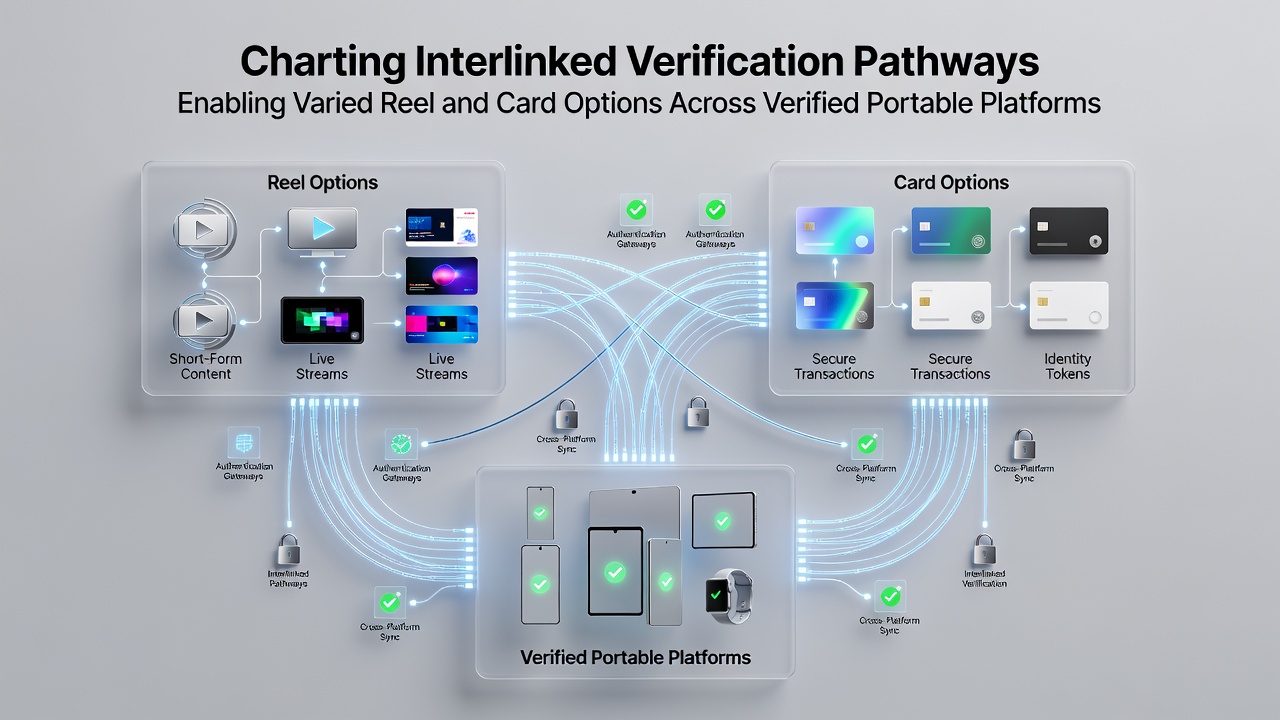
Interlinked verification pathways form the backbone of access controls that connect user authentication systems with game libraries containing both reel-based slots and card table formats on mobile devices, and these networks operate through layered protocols that validate player status before granting entry to specific content categories.
Core Components of Verification Networks
Verification begins with identity confirmation modules that cross-reference device signatures, biometric data, and account histories, while subsequent layers integrate payment channel validations and regulatory compliance checks to create seamless transitions between different game types. Observers note that these systems rely on shared databases maintained across operators, so a single verified session can unlock reel spins alongside card game tables without repeated logins, and data from platform audits shows integration rates exceeding 85 percent in major markets by early 2026.
Pathway architecture typically employs API bridges that link front-end mobile interfaces to backend certification servers, and this setup allows real-time updates to game availability based on jurisdictional rules. Researchers have documented how such connections reduce latency during game switches, enabling users to move from automated reel sequences to live card interactions while maintaining continuous compliance monitoring.
Supporting Varied Reel and Card Formats
Reel options range from classic three-reel mechanical simulations to multi-line video progressions with bonus features, whereas card selections encompass variants like blackjack, baccarat, and poker derivatives, all housed within the same verified ecosystem. Interlinked pathways manage these variations by tagging each title with metadata that verification engines read to enforce age, location, and deposit thresholds uniformly across categories.
Studies from industry research groups indicate that platforms utilizing unified verification cut access errors by nearly 40 percent compared with siloed systems, and this efficiency supports broader catalogs that include both high-volatility reels and strategic card tables on the same portable device. Those who manage these networks report that metadata synchronization prevents mismatches where a player cleared for reels encounters blocks on card tables, creating consistent experiences regardless of game selection.
Adaptation Across Portable Platforms
Mobile operating systems present distinct challenges because iOS and Android environments handle encryption and push notifications differently, yet interlinked pathways incorporate adaptive modules that detect device type and adjust verification flows accordingly. This flexibility extends to cross-device continuity, so progress in one session carries over when users switch between phones and tablets without re-authentication hurdles.

Geographic restrictions factor into these designs through GPS and IP triangulation that verification layers apply before displaying localized game lists, and regulatory updates issued in July 2026 prompted several operators to refine their triangulation algorithms for greater precision in emerging markets. Figures from the New Jersey Division of Gaming Enforcement reveal that mobile verification completions rose 22 percent in the second quarter of 2026, coinciding with expanded card game offerings on verified apps.
Regulatory Alignment and Technical Standards
Alignment with oversight bodies such as the Casino Regulatory Authority of Singapore ensures that pathway protocols meet international benchmarks for data protection and fair play certification, while partnerships with academic institutions like those at the University of Nevada Reno provide ongoing evaluations of system resilience against emerging threats. These collaborations produce technical standards that govern how reel and card metadata interact within verification chains, maintaining separation between entertainment categories even as access remains unified.
Implementation timelines accelerated after mid-2026 directives required enhanced logging of cross-category transitions, and operators responded by upgrading their interlink protocols to capture granular session data without disrupting user flow. Evidence from platform performance metrics shows that these upgrades preserved average session durations while expanding available reel and card combinations on portable hardware.
Conclusion
Interlinked verification pathways continue to evolve as the foundation for delivering diverse reel and card options on verified portable platforms, with ongoing refinements driven by regulatory shifts and technical advancements that keep pace with user expectations in July 2026 and beyond. Data indicates sustained growth in integrated mobile access as these systems mature across regions.