Navigating Digital Gateways: Secure App Protocols Enabling Deposit-Free Access to Dealer Tables and Spinning Reels
Kai Krause · Aug 20, 2026

Navigating Digital Gateways: Secure App Protocols Enabling Deposit-Free Access to Dealer Tables and Spinning Reels
Secure app protocols have evolved to support deposit-free entry points into live dealer environments and automated reel systems across mobile platforms, and data from regulatory filings indicate continued expansion through August 2026. These systems rely on layered authentication frameworks that verify user eligibility before granting access to table games or spinning reels, often through token-based authorizations that replace traditional account funding steps.
Core Protocol Components in Current Deployments
Application developers integrate encryption standards such as TLS 1.3 alongside session management tools that isolate gameplay sessions from payment gateways during initial access phases. Researchers at institutions tracking digital gaming infrastructure note that multi-factor verification sequences, including device fingerprinting and behavioral analytics, now precede any interaction with dealer tables or reel mechanics. This approach allows platforms to extend limited play opportunities without requiring upfront deposits, while maintaining compliance records that align with oversight from bodies like the New Jersey Division of Gaming Enforcement.
Tokenization plays a central role here, converting eligibility credentials into temporary access keys that expire after set durations or wager limits. Observers note that such mechanisms reduce exposure points compared to direct financial linkages, and platform logs from 2025 into mid-2026 show these tokens handling millions of no-deposit entries monthly across major operators.
Regional Regulatory Influences on Protocol Design
Frameworks differ by jurisdiction, yet common threads emerge in how protocols accommodate deposit-free pathways. In North American markets, certification requirements emphasize audit trails for every access grant, whereas certain European and Asian-Pacific regulators focus on real-time monitoring of session integrity. A report issued by the Australian Communications and Media Authority highlights how protocol updates in 2026 incorporated additional biometric checks to sustain these entry models without triggering deposit mandates.
Industry groups such as the European Gaming and Betting Association have documented similar shifts, where standardized API endpoints enable seamless transitions from verified onboarding to live dealer streams or reel activations. Those who've examined cross-border operations point out that these adaptations help platforms scale access while preserving separation between promotional play and funded accounts.
Technical Pathways Supporting Reel and Table Access
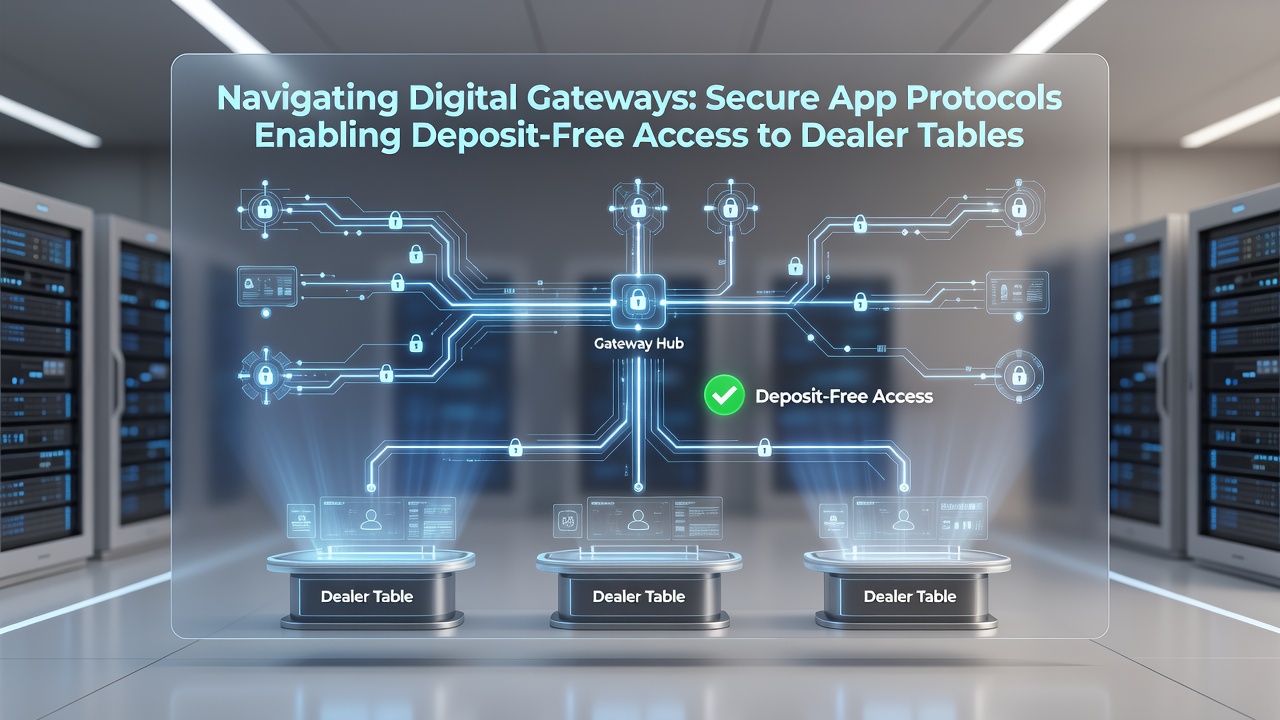
Behind the interface, protocols manage random number generator outputs and live video feeds through segregated channels that activate only after identity confirmation completes. This separation ensures that deposit-free sessions operate within predefined boundaries, often limited to specific game types or time windows. Data compiled through 2026 indicates that such segmentation contributes to lower incident rates in promotional access compared to fully funded environments.
Developers frequently employ OAuth 2.0 extensions tailored for gaming contexts, allowing third-party verification services to issue temporary credentials. These credentials interface with backend systems controlling both automated reels and human-operated tables, creating unified entry points that feel consistent to users regardless of game category. Platform analytics reveal that adoption of these unified protocols accelerated notably between late 2025 and August 2026, coinciding with broader mobile device upgrades.
Verification Layers and Their Impact on User Pathways
Multiple checkpoints now characterize the journey from app launch to active gameplay. Initial device registration pairs with risk-scoring algorithms that assess location, usage patterns, and prior activity before releasing access tokens. Experts tracking these developments observe that the combination reduces unauthorized attempts while preserving the deposit-free feature set that distinguishes certain promotional models.
Case examples from operator reports illustrate how one verification failure during a session can trigger immediate token revocation, redirecting the user back to standard onboarding without exposing core game servers. This containment strategy aligns with broader efforts to maintain operational continuity across dealer and reel offerings.
Future Protocol Refinements Anticipated by Mid-2026 Trends
Analyses of ongoing implementations suggest continued integration of decentralized ledger elements for credential storage, though full deployment remains gradual. Regulatory updates expected later in 2026 may further standardize how these protocols interface with cross-device synchronization, particularly for users moving between tablet and smartphone environments. Figures from trade publications show investment in such refinements holding steady, driven by demand for friction-reduced access that still meets security benchmarks.
Conclusion
Secure app protocols continue to define how deposit-free access reaches dealer tables and spinning reels, with technical and regulatory elements converging to support controlled entry points. As August 2026 unfolds, the emphasis remains on verifiable pathways that balance accessibility with established compliance structures across multiple regions.