Network Accreditations Enabling Zero-Cost Mobile Pathways to Live Dealer Interactions

Network certifications serve as standardized frameworks that verify secure transaction pathways and compliance protocols across digital gaming ecosystems, and these accreditations often determine whether operators can offer no-cost entry points to interactive dealer sessions on mobile platforms. Data from regulatory bodies shows that platforms holding multiple layers of certification experience higher volumes of verified user registrations during promotional periods in early 2026. Observers note that such certifications typically encompass encryption standards, payment gateway validations, and identity verification modules that collectively reduce friction for users seeking complimentary access.
Core Components of These Certification Systems
Certified networks integrate several technical layers including secure socket layer protocols, multi-factor authentication routines, and real-time monitoring dashboards that track session integrity during live dealer streams. Researchers at independent testing laboratories have documented how these elements combine to create auditable trails for every no-deposit transaction initiated through mobile applications. In June 2026 several European and North American operators reported expanded mobile traffic after completing recertification cycles that aligned with updated mobile security benchmarks.
Those who study certification timelines find that initial approvals often require between eight and twelve weeks of third-party audits before platforms receive clearance to launch free-access campaigns. The process examines server infrastructure, data routing paths, and user consent mechanisms to ensure they meet jurisdiction-specific requirements. Figures released by the Malta Gaming Authority indicate that certified networks processed over 2.3 million no-cost mobile entries in the first quarter of 2026 alone.
Bridging No-Cost Entries With Interactive Sessions
Accredited systems allow operators to link verified payment networks directly to live dealer interfaces without requiring initial deposits from users. This connection relies on tokenization techniques that assign temporary access credentials while maintaining full traceability for regulatory reporting. Industry reports reveal that platforms using dual-certified networks for both payment and session management achieve faster load times on mobile devices compared with non-accredited alternatives.
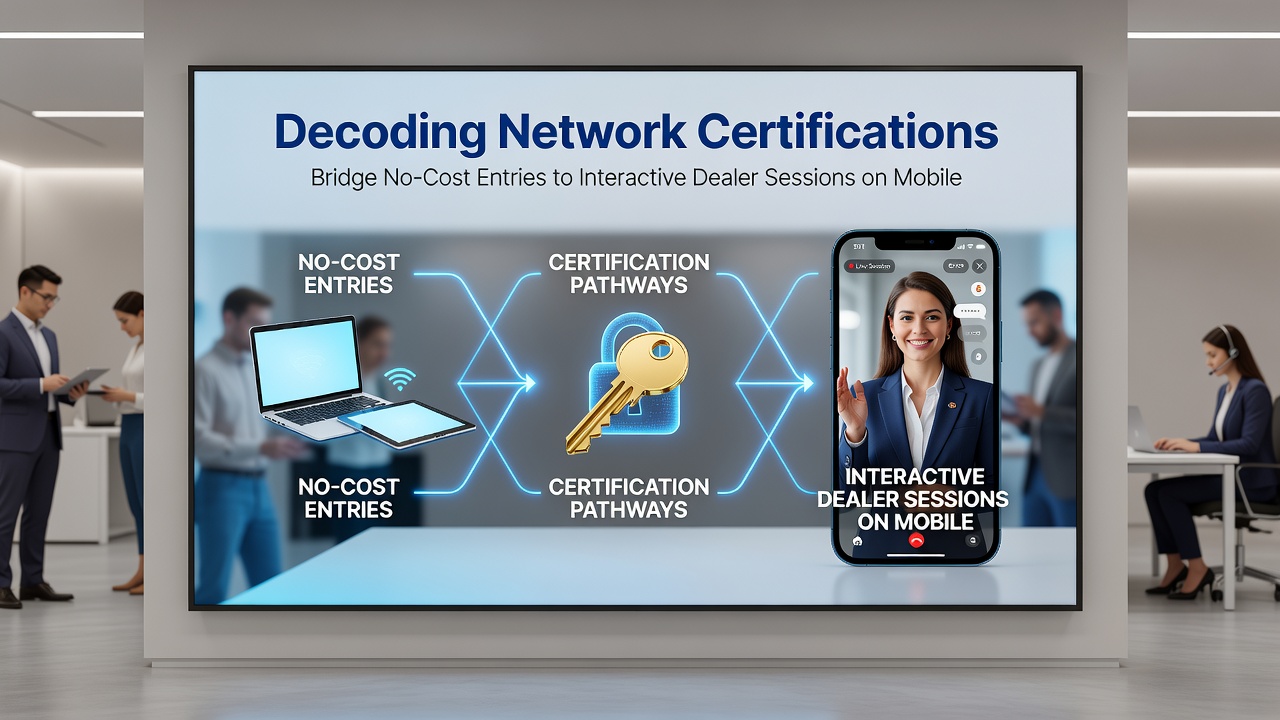
Take one operator that completed certification through both North American and Asian testing facilities; that platform subsequently recorded a 47 percent increase in mobile live dealer participation during a two-week promotional window. The certifications ensured that free entries could transition seamlessly into paid sessions once users chose to add funds, all while preserving session continuity across different device types. Data indicates that such transitions occur most smoothly when networks maintain synchronized certification status across multiple jurisdictions.
Regional Variations in Certification Standards
Certification requirements differ notably between markets, with the New Jersey Division of Gaming Enforcement emphasizing real-time fraud detection modules while Australian authorities place additional weight on responsible gaming integration within the same network frameworks. Operators seeking cross-border mobile deployments must therefore align their systems with overlapping yet distinct criteria. Studies conducted by academic researchers at the University of Nevada, Reno highlight how these variations influence the speed at which new no-cost mobile features reach end users.
What's interesting is the way combined certifications allow operators to offer region-specific promotions without rebuilding core infrastructure each time. For instance, a single certified network backbone can support both European no-deposit bonuses and North American time-limited free session credits, provided the operator maintains active compliance documentation. External data from the European Gaming and Betting Association shows consistent year-over-year growth in certified mobile pathways throughout 2025 and into 2026.
Future Developments Expected by Late 2026
Upcoming updates to mobile operating systems are prompting certification bodies to revise testing protocols around biometric authentication and edge computing security. Platforms that stay ahead of these revisions position themselves to introduce new no-cost entry formats more rapidly than competitors. Observers tracking certification renewal rates note that operators renewing credentials every six months rather than annually demonstrate stronger retention metrics among mobile users accessing live dealer content.
Conclusion
Network certifications continue to function as the primary gatekeepers that determine which platforms can reliably deliver no-cost entries to interactive dealer sessions on mobile devices. As standards evolve through 2026, operators maintaining active accreditations across multiple regions retain the operational flexibility needed to expand these offerings while meeting regulatory expectations. The technical and procedural requirements embedded in these certifications ultimately shape the accessibility and security profile of mobile live dealer experiences for users worldwide.