Transitions in Incentive Delivery for Mobile and Traditional Gaming Channels
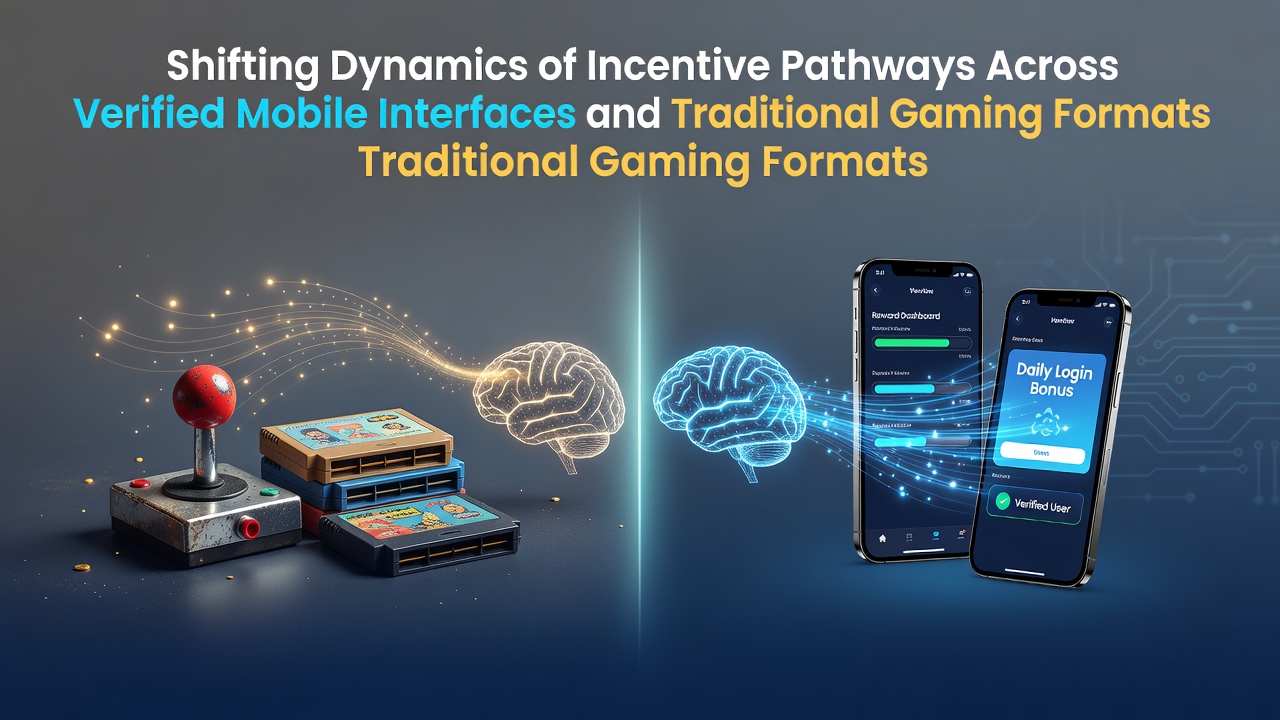
Verified mobile interfaces have altered how operators structure player rewards, while traditional gaming formats continue to rely on established loyalty programs and on-site promotions that emphasize physical presence. Data from mid-2026 shows mobile platforms accounted for over 58 percent of new player registrations in regulated markets, according to figures released by the American Gaming Association. Those numbers reflect broader adoption of identity verification tools that unlock tiered rewards such as deposit matches and free spins once accounts clear compliance checks.
Mobile Verification and Instant Reward Access
Operators now embed verification steps directly into app onboarding, allowing players to receive initial incentives within minutes rather than days. This process typically includes document uploads and biometric checks that feed into centralized databases, after which users gain immediate access to matched deposits or loyalty points. Research compiled by the Canadian Gaming Association indicates that verified mobile accounts in Ontario saw a 34 percent rise in reward redemption rates during the first half of 2026 compared with unverified trial accounts.
Platforms integrate these systems with payment processors so that once verification completes, real-time bonus credits appear without additional manual review. And because the same verification token often carries across multiple titles within an operator's portfolio, players move seamlessly between slot games and table simulations while retaining accumulated progress toward higher reward tiers.
Traditional Venues Maintain Physical Loyalty Frameworks
Land-based casinos continue to use player cards that track play on the floor, issuing comps such as free meals, hotel stays, and event tickets based on theoretical loss calculations. These systems operate independently of mobile verification yet increasingly connect to hybrid programs that let patrons earn points both on-site and through linked mobile apps. July 2026 reports from several U.S. state gaming commissions noted that hybrid programs now represent 41 percent of all loyalty memberships at properties with both physical and digital offerings.
Staff at these venues still perform manual identity checks for high-value comp approvals, creating a slower but more personalized pathway compared with automated mobile flows. Observers note that this approach preserves the social element many patrons associate with traditional gaming while gradually incorporating digital elements that mirror mobile reward structures.
Comparative Shifts in July 2026 Data
Cross-platform analysis released in July 2026 by the European Gaming and Betting Association highlighted measurable differences in incentive utilization. Mobile users redeemed 72 percent of offered bonuses within the first 48 hours of verification, whereas traditional players averaged 19 days before claiming equivalent floor-based rewards. The disparity stems partly from interface design, since mobile systems push notifications directly to devices while land-based offers require physical return visits or phone outreach.

Yet traditional formats retain advantages in experiential rewards that mobile interfaces struggle to replicate. Casino operators report that high-tier players often prefer tangible benefits like exclusive tournament entry or dedicated host services over digital credits alone. This preference has prompted several properties to introduce digital versions of physical comps, such as QR-code meal vouchers that appear in verified mobile wallets after floor play thresholds are met.
Regulatory Influences on Pathway Design
Regulatory bodies across multiple jurisdictions now require clear disclosure of incentive terms before any reward activates, whether through mobile apps or at physical cages. These rules have standardized how operators present wagering requirements and expiration dates, reducing ambiguity that previously existed in both channels. Data aggregated by the Singapore Tourism Board shows compliance-driven transparency measures correlated with a 27 percent drop in player disputes over bonus terms during the first two quarters of 2026.
Operators respond by building unified dashboards that display all active incentives across mobile and traditional accounts in one view. Players therefore track progress toward combined thresholds without switching between separate systems, a development that emerged prominently after regulatory updates took effect in early 2026.
Future Integration Patterns
Industry reports suggest continued convergence between the two formats as more venues adopt unified player accounts. Verification once completed on mobile carries forward to physical properties through linked profiles, allowing seamless transition between digital spins and table play while preserving reward continuity. Academic studies from the University of Nevada, Las Vegas gaming research center indicate that such unified systems increase overall player retention by 22 percent when implemented across both channels.
Conclusion
The landscape of incentive pathways continues to evolve as verification standards mature on mobile interfaces and traditional venues integrate digital tools into legacy loyalty programs. July 2026 figures demonstrate measurable differences in redemption speed and preference patterns, yet both formats maintain distinct strengths that operators leverage through hybrid approaches. Regulatory emphasis on transparency has further aligned disclosure practices across channels, creating more consistent player experiences regardless of preferred gaming format.